
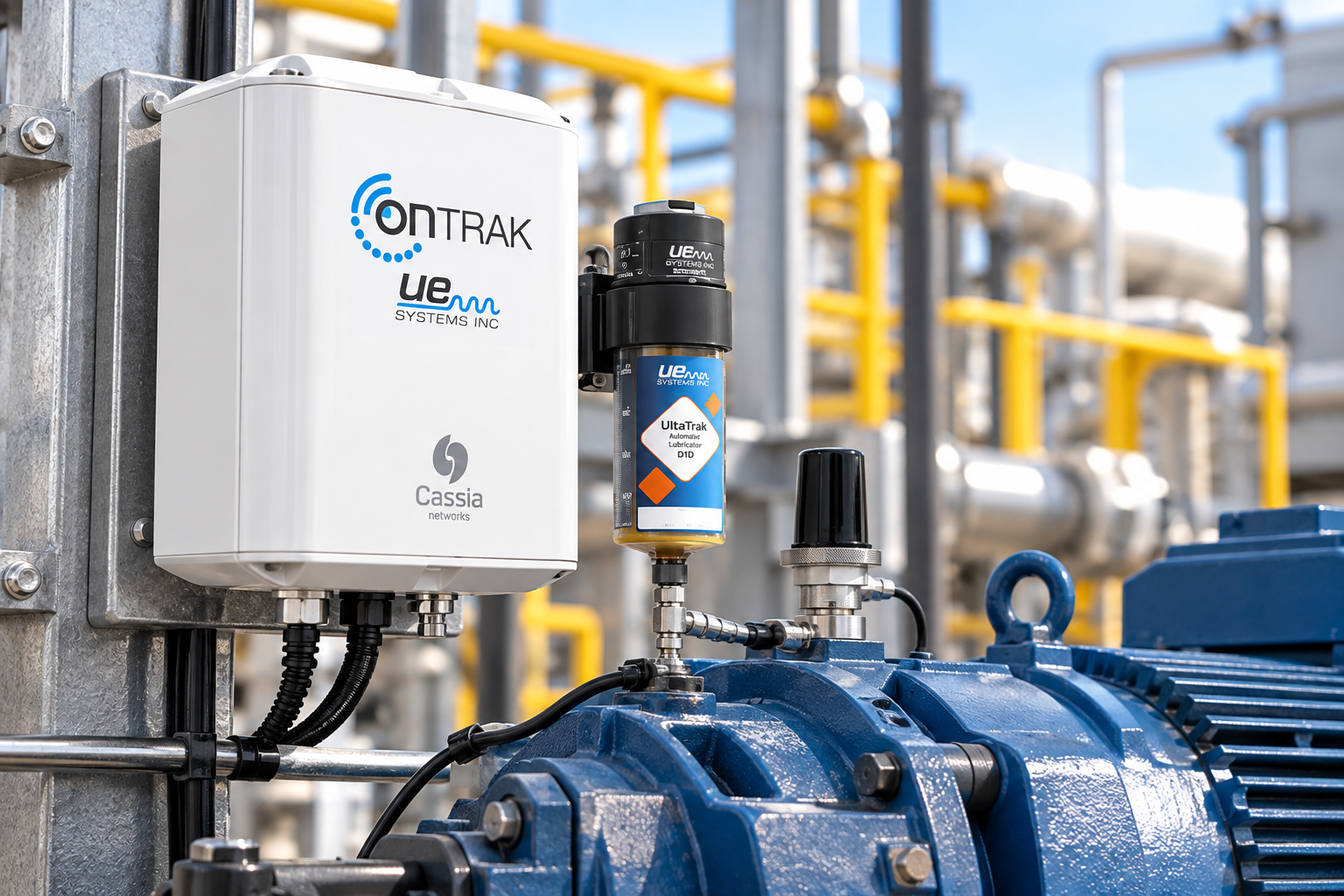
Unplanned machinery breakdowns cause serious headaches for factory managers across Singapore. When a critical pump or gearbox stops without warning, entire production lines grind to a halt, driving up repair costs and ruining delivery schedules. Traditional reactive maintenance often leads to expensive emergency repairs, while routine calendar-based servicing can miss hidden faults developing between scheduled site visits.
Installing a remote condition monitoring system fixes these long-standing maintenance headaches by tracking machine health continuously around the clock. By using smart sensors and wireless networks to detect early signs of bearing wear, excessive vibration or overheating, maintenance crews can address minor issues before they develop into major equipment failures.
What Is a Remote Condition Monitoring System?
A remote condition monitoring system is an integrated network of field sensors, wireless hardware, and diagnostic software that keeps tabs on running machinery from a distance. Instead of sending technicians around the factory floor with handheld measuring tools once a month, these systems monitor critical operating parameters continuously.
Key indicators tracked by a remote condition monitoring system include:
Vibration levels: Spotting imbalance, shaft misalignment, and loose structural mountings.
Operating temperatures: Detecting excessive friction, poor lubrication, or electrical overloads.
Acoustic signals: Catching micro-cracks and friction in high-speed gear assemblies.
Running hours: Tracking actual usage metrics to calculate accurate maintenance intervals.
Engineers can access live machine health dashboards on phones, tablets or office computers from anywhere, giving them visibility over plant assets.
How Does Remote Condition Monitoring Work?
Deploying a remote condition monitoring system relies on a clear four-step data journey:
Equipment Data Collection
High-precision sensors attach directly to vital machine points on motors, blowers, and compressors. These compact devices constantly measure physical changes while the machinery operates under normal load.
Data Transmission and Connectivity
Instead of running expensive wires across the factory ceiling, sensors send raw metric data wirelessly to a central gateway using robust, industrial wireless networks.
Data Analysis and Anomaly Detection
Smart software processes incoming data streams instantly. It compares current vibration signatures and temperature levels against established baseline thresholds, flagging minor mechanical changes before they become noticeable.
Alerts and Maintenance Actions
When a sensor picks up abnormal readings, the software sends automated alerts via email or text to engineering leads, allowing teams to plan repairs during scheduled plant downtime.
Key Technologies Used in Remote Condition Monitoring
Modern monitoring setups combine several clever hardware and software components to deliver reliable asset coverage:
Wireless Vibration Sensors: Battery-powered transducers mounted magnetically to machine housings for fast, tool-free setup.
Industrial IoT Gateways: Secure communication hubs that collect field data from nearby sensors and push it up to central servers.
Cloud Analytics Dashboards: Web platforms that translate messy raw signal waves into simple green, yellow, or red machine health scores.
Automatic Safety Relays: Hardwired protection switches that automatically shut down critical machines if vibrations hit dangerous levels.
Industrial Equipment That Can Be Monitored Remotely
Virtually any rotating or high-duty mechanical asset can benefit from automated tracking. Common machinery applications include:
Industrial water pumps and fluid circulation systems
Air compressors and heavy-duty blowers
Electric motors and drive assemblies
Production gearboxes and conveyor drives
Cooling towers and HVAC blowers
CNC equipment and automated manufacturing lines
Remote Condition Monitoring vs Predictive Maintenance
People often mix up these two terms, but they actually perform different roles within plant maintenance:
Simply put, a remote condition monitoring system supplies the live health data that powers a broader predictive maintenance strategy.
Benefits of Remote Condition Monitoring for Industrial Operations
Switching to automated machine tracking transforms daily factory management in several key ways:
Eliminates Unexpected Downtime: Catching faults early means repairs happen during scheduled maintenance windows instead of surprise production halts.
Extends Asset Lifespan: Fixing minor issues like shaft misalignment stops knock-on damage to expensive internal bearings and gears.
Keeps Technicians Safe: Technicians spend far less time taking manual readings near hot, noisy, or hard-to-reach machinery.
Saves Maintenance Capital: Avoiding sudden breakdowns cuts emergency spare parts spending and keeps overtime labour bills down.
Common Challenges in Implementing Remote Condition Monitoring
While the benefits are clear, setting up a new monitoring network brings a few practical hurdles:
Initial Setup Costs: Buying sensors, gateways, and software access requires upfront capital investment.
Data Overload: Generating millions of data points can overwhelm maintenance staff if alert thresholds are not set up properly.
Sensor Placement Mistakes: Sticking sensors in the wrong spot can lead to missed faults or false alarms.
Skill Gaps: Maintenance crews often need extra training to interpret complex vibration charts and diagnostic metrics.
How to Implement a Remote Condition Monitoring System
To get the best return on investment, follow this straightforward rollout plan:
1. Identify Critical Equipment
Start by mapping out machines that cause the biggest production headaches or cost the most to repair when they break down.
2. Establish Baseline Operating Conditions
Record healthy vibration and heat levels while machines run under normal working conditions to establish your baseline metrics.
3. Select Sensors and Connectivity
Choose rugged sensors and wireless gateways built to withstand your factory's specific environment, whether that involves high heat, moisture, or heavy dust.
4. Configure Monitoring and Alerts
Set sensible warning limits aligned with ISO standards so engineers receive clear warnings rather than endless false alarms.
5. Integrate with Maintenance Workflows
Link your software alerts directly into your team's work order system so warnings automatically trigger inspection tasks.
6. Measure Results and Expand
Track saved downtime and reduced repair bills over the first few months, then use those wins to justify expanding sensor coverage across the rest of the facility.
How to Choose the Right Remote Condition Monitoring System
Selecting the ideal system comes down to matching hardware capabilities with your plant's practical needs. Look for providers offering flexible, asset-agnostic sensors that can be retrofitted onto older machinery without expensive rewiring. Ensure the software interface is easy to read, offers clear local engineering support, and provides practical training so your team can manage daily operations confidently.
Frequently Asked Questions About Remote Condition Monitoring
-
It is a connected network of sensors and software that continuously tracks machine health metrics like vibration and temperature from a distance, alerting teams to developing mechanical faults.
-
Sensors attached to machinery record operational metrics continuously, sending data wirelessly to analytics software that checks for abnormal patterns and triggers maintenance alerts when readings exceed safe levels.
-
Most setups use triaxial vibration accelerometers, surface temperature transmitters, ultrasonic friction sensors, and current monitors to check machine health.
-
A remote condition monitoring system tracks and displays real-time machine health data, while predictive maintenance uses that data to forecast future equipment failures and plan maintenance schedules.
-
Critical, high-impact assets typically use continuous 24/7 online monitoring, while secondary or balance-of-plant machinery undergoes route-based checks monthly or quarterly.
